Unique Market Proposition
Producing valuable monostreams from blended textiles at end-of-life.
Innovative Plastic Solutions for a Sustainable Future
Bioplastix develops advanced plastic solutions using modern manufacturing technologies and high-quality materials to meet the evolving needs of industries worldwide. Our products are designed to provide excellent performance, durability, and reliability across a wide range of applications.
Through continuous innovation and responsible manufacturing practices, we deliver efficient plastic solutions that help customers improve product performance while supporting long-term industrial growth.
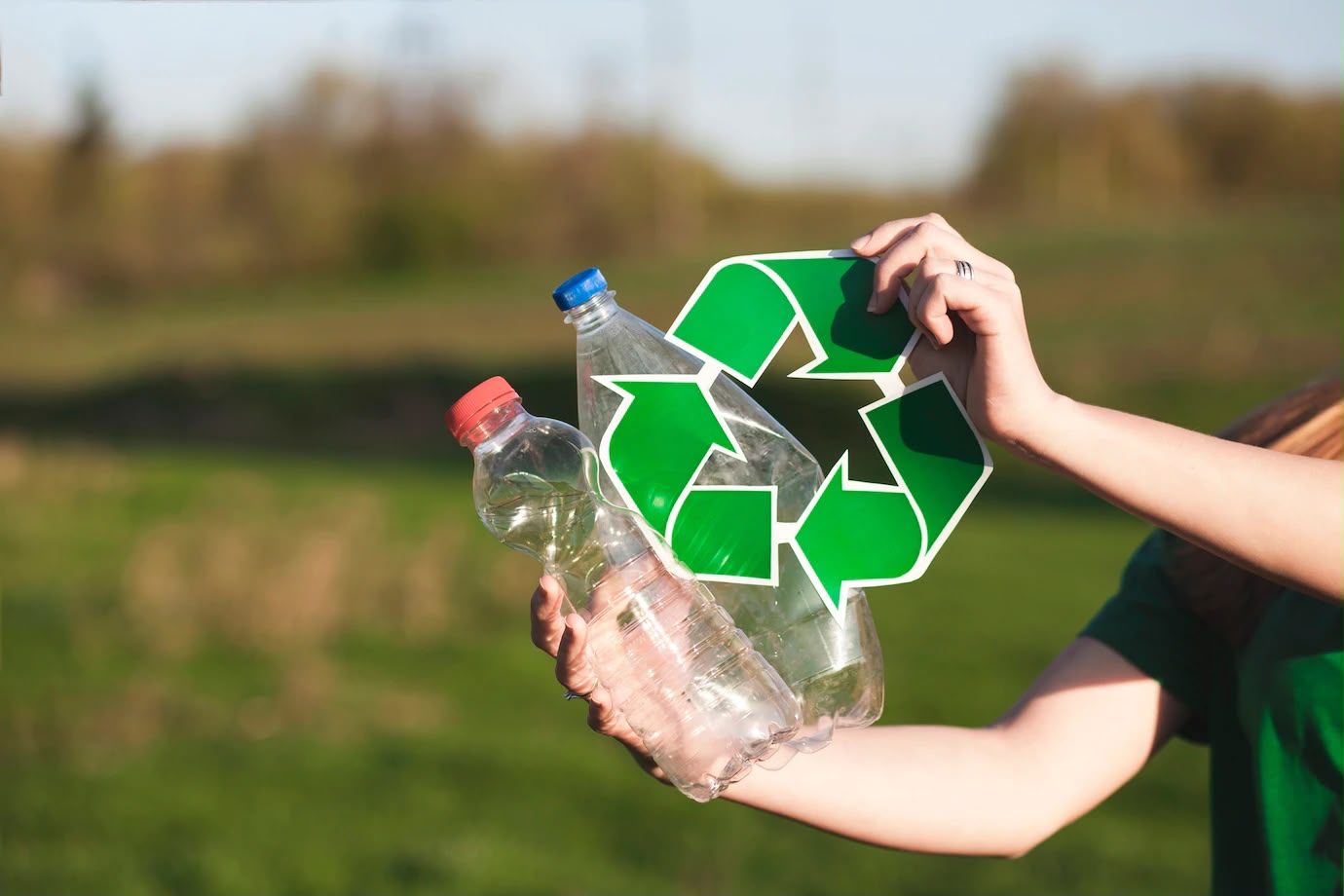
Our plastic solutions are designed to support the use of renewable resources wherever applicable, helping reduce dependence on conventional fossil-based raw materials while encouraging more responsible material sourcing.
Bioplastix develops solutions that are compatible with modern recycling approaches, supporting circular economy principles by promoting material recovery, reuse, and more efficient resource management.
Through innovative manufacturing technologies and efficient material utilization, our products contribute to reducing greenhouse gas emissions and lowering the overall environmental footprint throughout the product lifecycle.
Advanced barrier performance helps protect packaged products from oxygen, moisture, and external contaminants, preserving freshness, maintaining product quality, and extending the shelf life of food and beverage applications.
Our plastic materials provide improved thermal performance, maintaining stability under a wide range of temperatures and supporting demanding manufacturing, storage, and transportation conditions.
Engineered for durability and structural integrity, our solutions offer excellent mechanical strength, enabling lightweight yet robust products that perform reliably across diverse industrial and commercial applications.
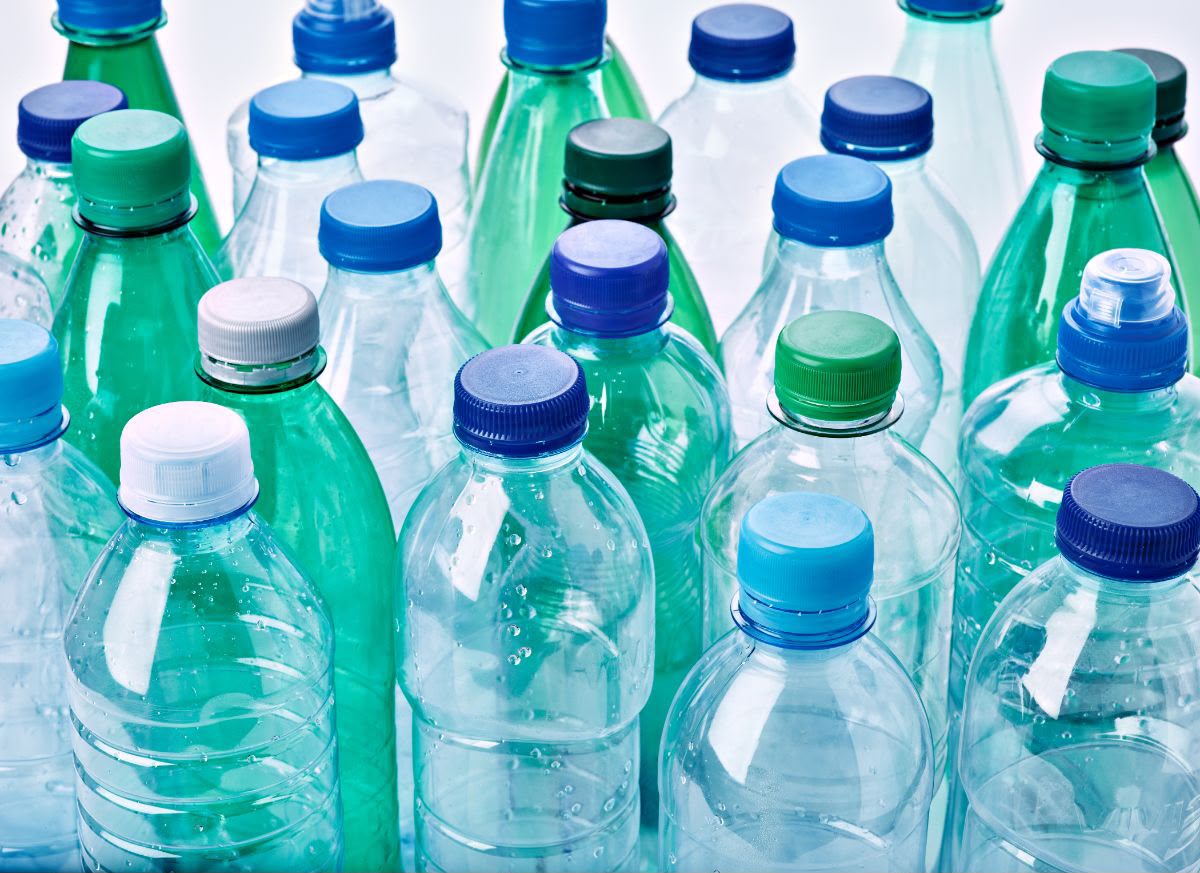
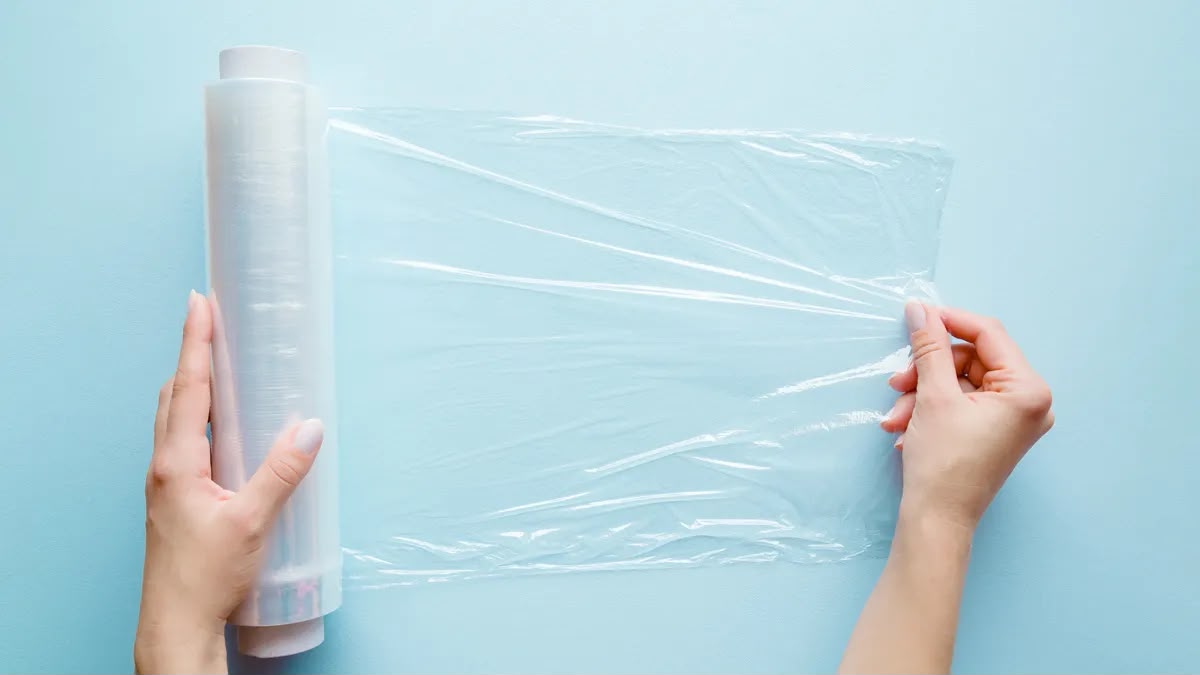
Developing advanced plastic solutions with a strong focus on recyclability, lower environmental impact, and responsible resource management.
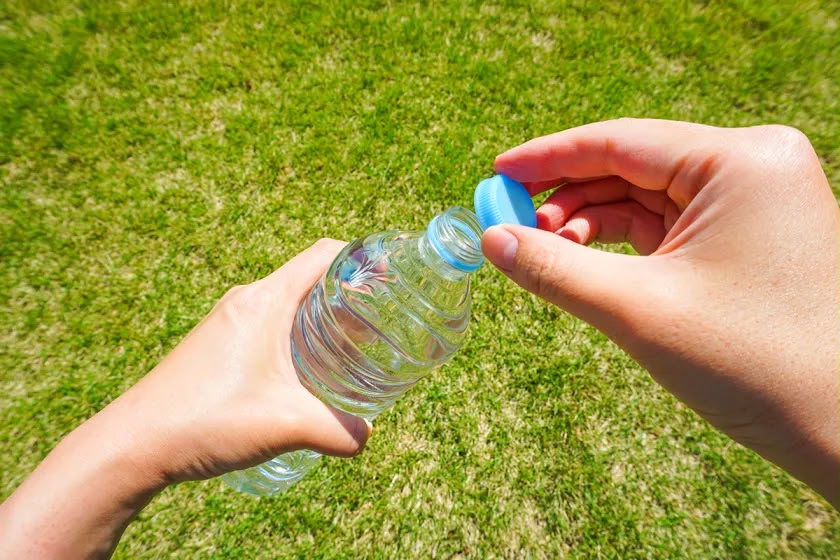
PEF has received Critical Guidance Recognition from the Association of Plastics Recyclers (APR) and an interim endorsement from the European PET Bottle Platform (EPBP) for recycling multilayer PET/PEF packaging in the European bottle recycling market.
PEF also received an interim endorsement from EPBP for monolayer PEF bottles. Current data indicates that up to 2% market penetration of PEF does not negatively impact the quality of the PET recycling stream.
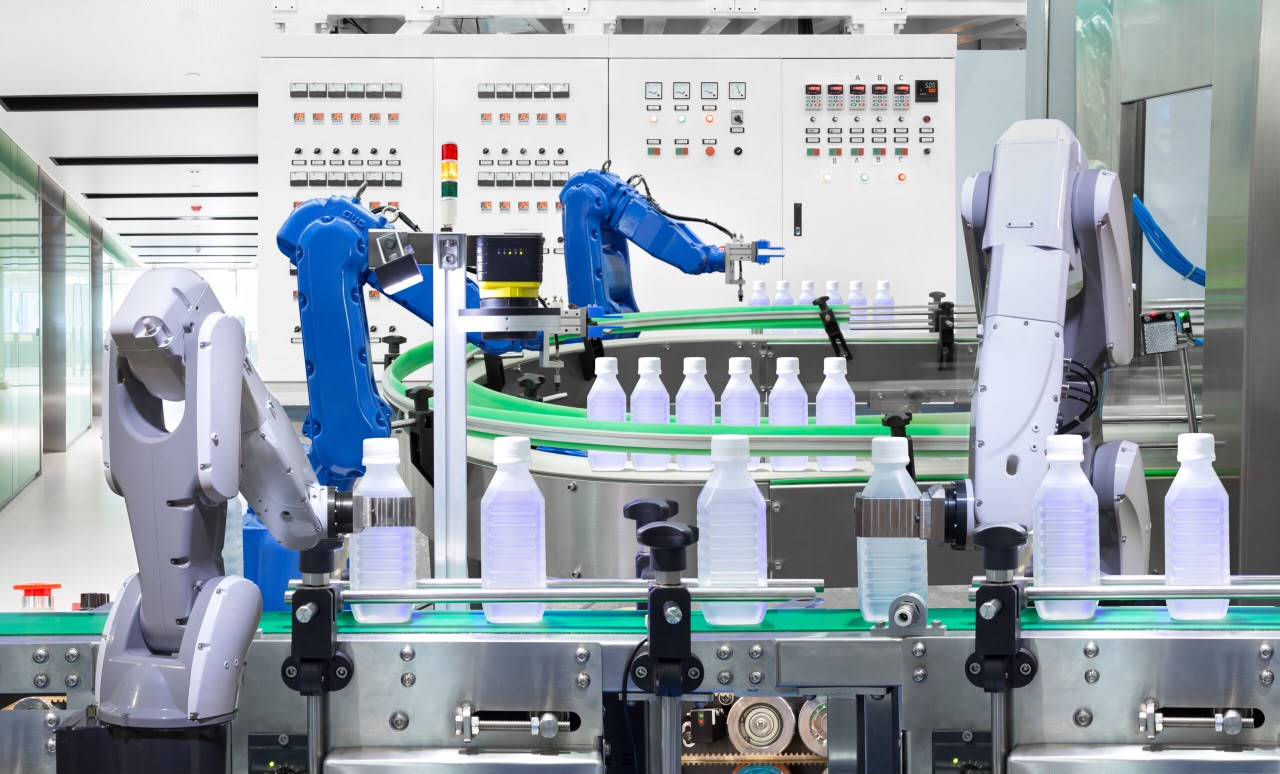
Third-party peer-reviewed and ISO-certified Life Cycle Assessments demonstrate that PEF can significantly reduce greenhouse gas emissions throughout the product life cycle.
Studies indicate that a 500 ml PEF bottle can achieve up to an 88% reduction in greenhouse gas emissions compared with conventional PET bottles. Carbon emissions generated at the end of the product's life are largely offset by the carbon dioxide absorbed during the growth of renewable feedstocks.
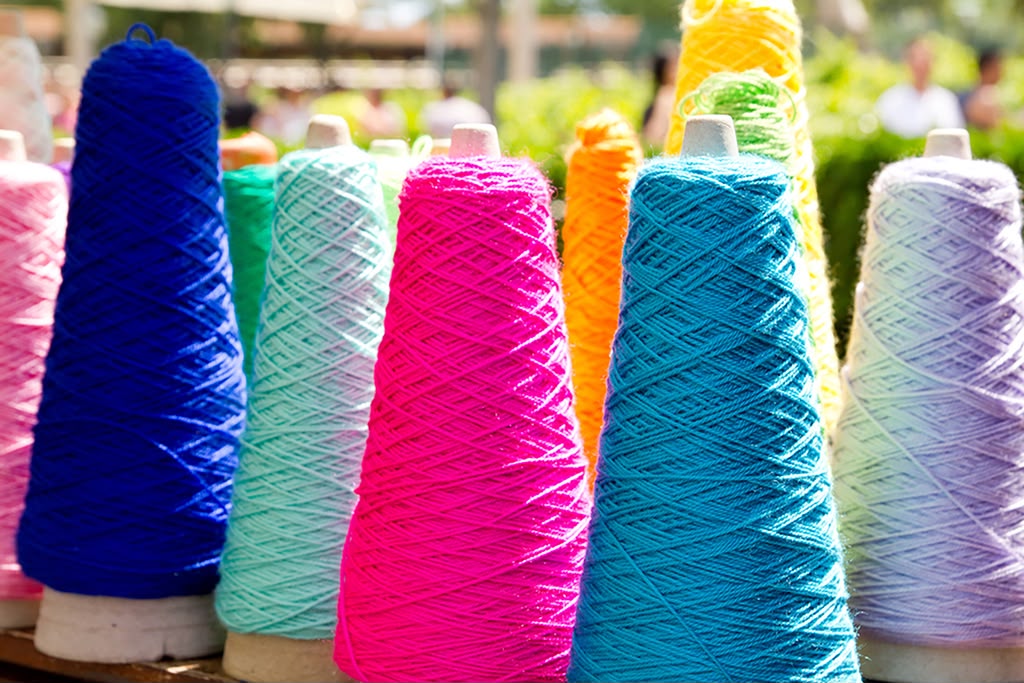
Bioplastix is committed to supporting a more circular textile industry by exploring innovative technologies that recover post-consumer textile waste and transform it into valuable raw materials for future manufacturing applications.
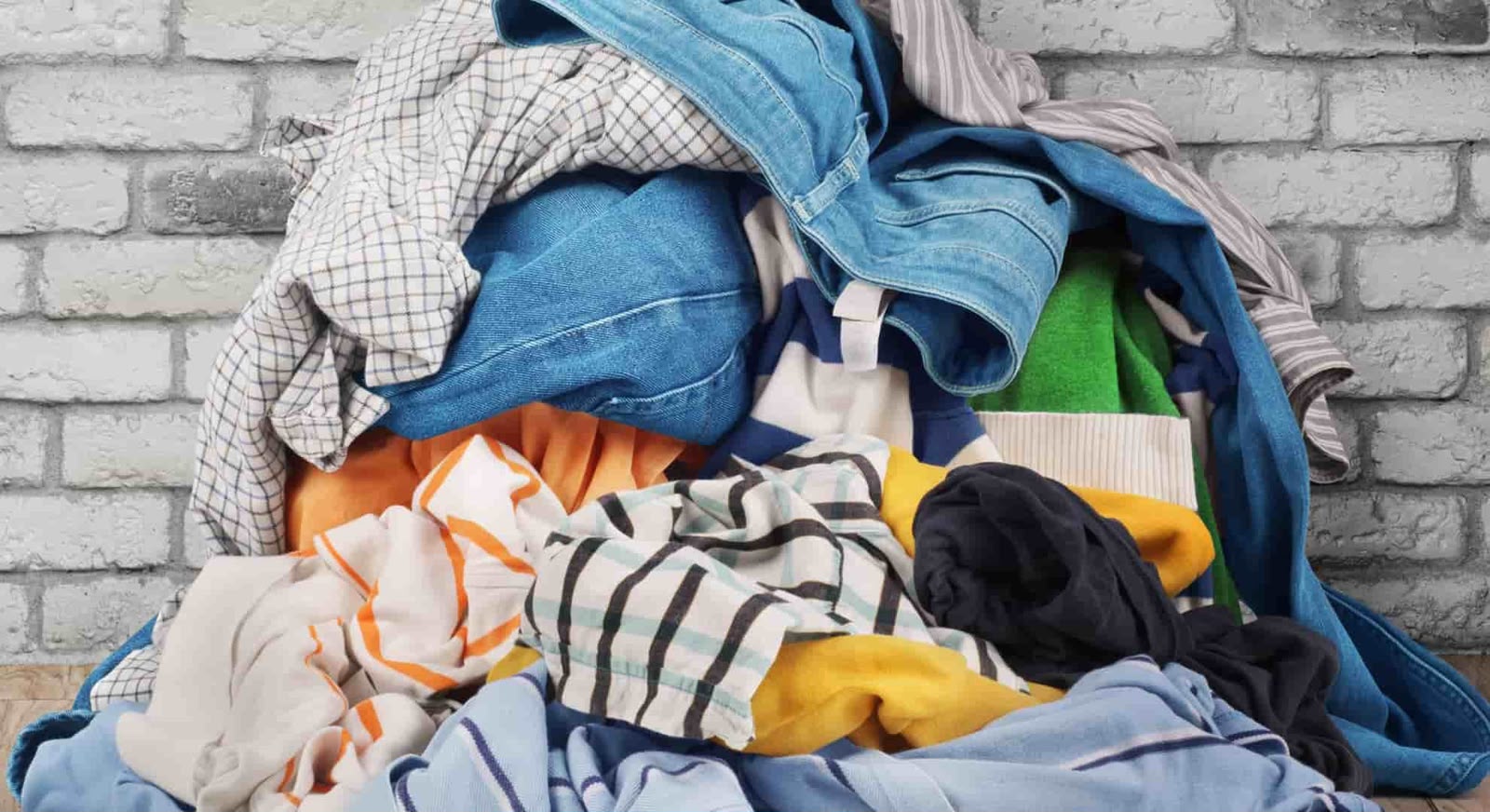
Bioplastix is developing advanced technologies that transform post-consumer textile waste into valuable raw materials, supporting the transition toward a more circular manufacturing model and reducing dependence on virgin resources.
Our innovative approach enables the recovery of valuable components from blended textile waste, helping extend material life cycles while promoting resource efficiency and reducing environmental impact.
Producing valuable monostreams from blended textiles at end-of-life.
Our textile recycling technology builds on over a decade of experience converting wood residues into sugars through Avantium’s DAWN process—validated at our pilot plant in Delfzijl, the Netherlands, since 2018.
Glucose and glucose derivatives for bio-based chemicals and bio-based polymers, as well as polyester fibers free from cellulosic material for recycling.
Extensive pilot-scale trials confirm the scalability and cost-effectiveness of our approach:
Valorising low-value blended textiles at end-of-life while enabling the monostreams needed to scale circularity.
Committed to further developing and commercializing this technology in collaboration with partners, while broadening its applications to address the global textile-waste problem. Together, we can support the transition from fossil-based to bio-based materials.
Recover valuable materials from post-consumer textile waste while reducing dependence on virgin raw materials. This supports more circular production processes and helps manufacturers meet growing sustainability goals.
Reduce textile waste sent to landfill by supporting innovative recycling pathways that recover valuable resources from blended fabrics and improve waste management efficiency.
Generate high-quality feedstocks that can be used in the development of advanced chemicals, polymers, and other value-added industrial materials from recovered textile resources.
Strengthen our commitment to innovation by developing advanced recycling technologies that support resource efficiency, expand circular manufacturing solutions, and contribute to a more sustainable plastics industry.